
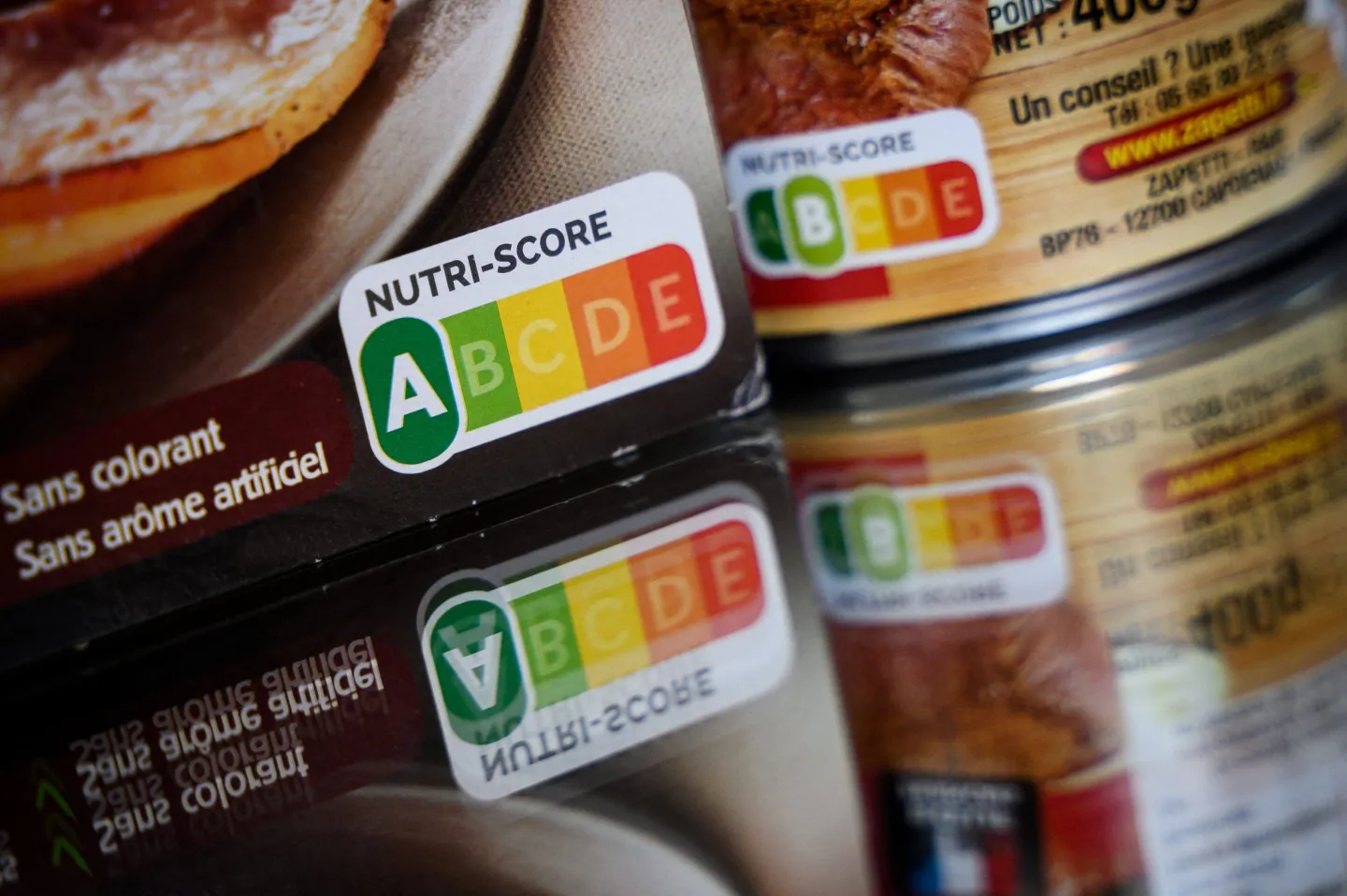
Using Food Labels to Compare Products More Effectively
Modern grocery stores offer countless variations of similar products. Nutrition labels serve as practical tools for comparing options and making thoughtful purchasing decisions.
Comparing Similar Products
When choosing between two similar items—such as cereals, yogurts, or snack bars—it can be helpful to:
- Compare serving sizes first
- Review calorie differences
- Examine fiber, sugar, and protein content
- Look at sodium levels
These side-by-side comparisons often reveal differences that are not obvious from packaging alone.
Portion Awareness
Even nutritious foods can contribute significantly to intake if portion sizes are large. Checking the number of servings per container provides clarity before purchasing.
Understanding realistic portion sizes helps align purchases with individual consumption habits.
Evaluating Long-Term Patterns
Rather than focusing on a single product, it may be more helpful to consider overall shopping patterns. Choosing a variety of foods that include whole grains, fruits, vegetables, and balanced macronutrients contributes to a well-rounded diet.
Budget-Friendly Choices
Reading labels can also support cost-effective decisions. Store-brand products may offer similar nutritional profiles to premium brands at a lower price.
Comparing ingredient lists and nutrient values rather than relying solely on branding supports practical decision-making.
Building Confidence Over Time
Label reading becomes easier with practice. Over time, consumers often develop familiarity with common serving sizes, nutrient ranges, and ingredient terms.
The goal is not perfection but awareness. Informed grocery shopping supports balanced dietary habits and thoughtful food choices.
This article is intended for educational purposes and does not substitute professional dietary advice.